what works best to reduce carbon deposits in a direct inject motor?
Posted November xxx, 2021 by
Tyler Moore Carbon deposits and buildup are a by-product of combustion in an engine that comes from incomplete fuel combustion. This black soot, similar to that which collects in a chimney, will harden on internal engine components such as injector nozzles, cylinder walls, intake valves, and more. Surprisingly, newer engines with improved emissions technology are more susceptible to engine issues caused past carbon buildup. Older engines rely on fuel to be sprayed into the intake manifold by the fuel injectors to mix with the air. This air-fuel mixture and so moves at timed intervals through the engine cylinders to their spark plugs where it is ignited and combusts. Some modern engines, such every bit direct injection engines, are more than likely to experience carbon buildup. GDi (Gasoline Straight-injection) engines utilise high-pressure systems which inject the fuel directly into the combustion sleeping room of the engine. This results in a more efficient and complete burn intended to lower emissions and improve power. However, this efficient technology may also crusade carbon buildup on the intake valves considering the fuel isn't able to clean the valves like in other engine types of fuel injection. For example, the fuel is able to menstruation over the intake valves in port-injection engines, which helps to keep the valves clean of carbon. An affluence of carbon deposits can lead to engine performance inefficiencies, which can harm the engine and cause disquisitional component failure. Carbon buildup mostly occurs as a result of the incomplete combustion of a fuel, and as this carbon buildup develops, corrosion and habiliment severity within the engine grows. Carbon deposits can disrupt airflow, causing the engine to operate outside of OEM spec. This results in operational turbulence that makes the air-fuel ratio inconsistent. This inconsistency causes the engine to feel rich and lean mixtures, which accept an agin effect on the long-term reliability of the engine and cause hotspots inside the combustion chamber of the engine. Hotspots dramatically affect engine efficiencies. Areas, where carbon buildup has localized, will likely experience overheating, due to carbon's nature of "holding" heat. This tin can lead to engine knock and a drastic reduction in engine efficiency. Carbon build-up tin be accelerated in a number of ways. Using depression-quality fuel contributes to the development of these harmful carbon deposits. Low-grade fuel is often saturated with contaminants that may outcome in not just disquisitional engine component failure but also contribute to combustion inefficiencies over time. When it comes to the mechanical operation of the engine, air to fuel ratio inconsistencies also plays a key part in the evolution of carbon buildup. On the other hand, frequent heavy-footed driving may also lead to accelerated carbon buildup. Unfortunately, the effects from the gradual development of carbon deposits may not be experienced by the engine operator correct abroad. Typically, carbon buildup outset presents itself in subtle ways, until it reaches a point where critical engine functions get jeopardized. Preventative maintenance is the unmarried best way to forestall excess carbon buildup from developing in your engine. With the concerning regularity of contamination across the global fuel supply chain, preventative measures should be fabricated to ensure that quality fuel is being run through the engine. It is equally important to properly maintain the engine, such as with performing regular oil changes with manufacturer recommended oil. Depending on the application, solutions may range from dosing fuel with additives to using defended fuel maintenance systems on bulk fuel tanks. Fuel additives, such as AFC, are great for improving combustion and improving efficiency, which results in reduced engine deposits in most engine designs. For existing carbon buildup, there are a number of solutions that may work in removing this undesirable soot. While the engine is running at the correct operating temperature, Increasing the engine RPMs helps the motor to burn down-off carbon buildup within. Chemical cleanings may also be performed on the intake organization to affluent out carbon deposits. And in extreme cases, the engine must be broken down and rebuilt to supersede critical components that have been damaged beyond repair by carbon buildup.How Does Carbon Buildup Form
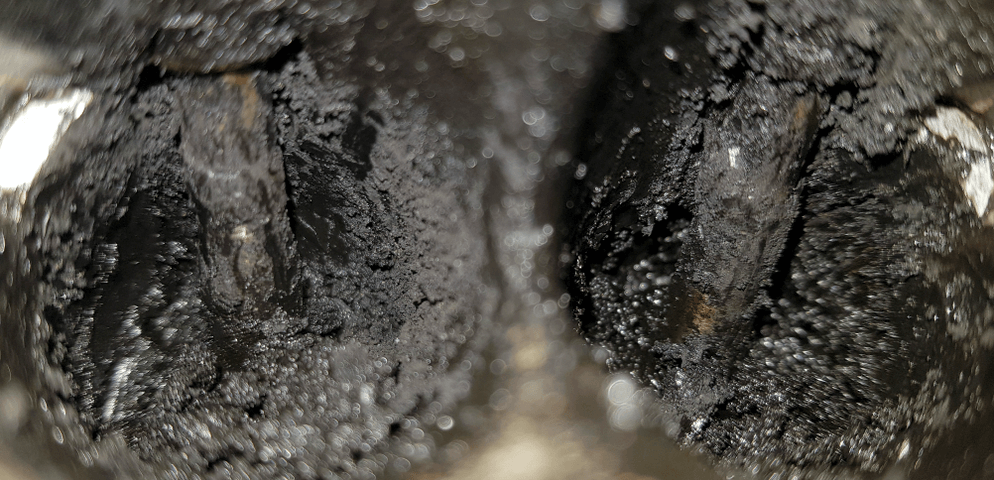
Engine Bug Acquired By Carbon Buildup
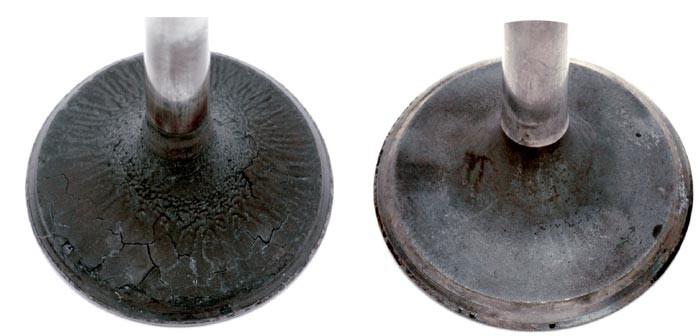
Driving habits are a central contributor to carbon buildup. In populated areas, heavy traffic can contribute to carbon buildup in a vehicle's engine from non being able to bulldoze efficiently in stop-and-become traffic.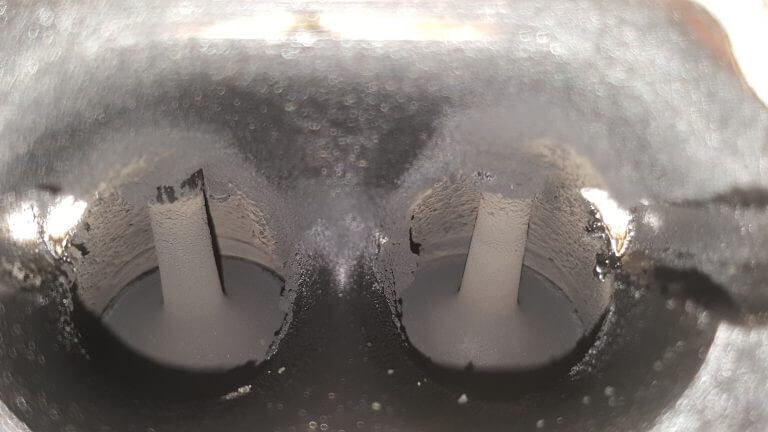
Symptoms of Carbon Buildup in an Engine Include:
How to Prevent Carbon Buildup
Supplying quality fuel to your engine is very of import in allowing your engine to operate within engineered tolerances.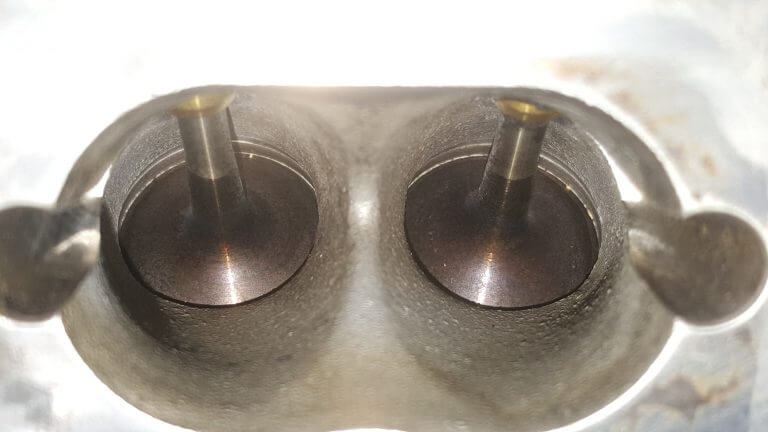
The utilise of specialized fuel additives and fuel treatments volition also assist the engine in removing these deposits. In directly-injection engines, where carbon buildup can exist extreme, periodic intake valve cleanings are included equally a recommended engine maintenance item.
In severe cases of carbon buildup, the cylinder caput will be removed to perform a valve job, where the carbon buildup is cleaned out past hand.
Source: https://axi-international.com/carbon-deposits-what-is-carbon-buildup-and-how-to-prevent-it/#:~:text=The%20use%20of%20specialized%20fuel,a%20recommended%20engine%20maintenance%20item.
0 Response to "what works best to reduce carbon deposits in a direct inject motor?"
Post a Comment